When people talk about buying a home in northeast Bakersfield, they often focus on the price and the house itself.But there is a bigger decision hiding underneath:Do you want the established,

Dated: February 12 2026
Views: 26
<h2>Wasco History: Kern County's Agricultural Heritage</h2>
Wasco stands as testament to Kern County's agricultural legacy. This vibrant community embodies Central California's farming traditions. Understanding Wasco's history reveals what makes this town special today.
<h2>Early Settlement and Native Heritage</h2>
Long before European settlers arrived, indigenous peoples thrived here.
• Yokuts tribes inhabited the fertile valley
• Natural waterways supported communities
• Agricultural potential attracted early farmers
• Traditional lands transformed into farmland
• Native influence remains in local culture
Wasco's location proved ideal for settlement. The land's richness drew pioneers westward.
<h2>Railroad Era Development</h2>
The Southern Pacific Railroad transformed Wasco fundamentally.
In the early 1900s, rail access opened opportunities. Farmers could ship crops efficiently. Towns sprouted along railroad lines. Wasco grew rapidly during this period.
Railroad workers established permanent homes. Businesses sprang up to serve residents. The foundation for modern Wasco was laid.
<h2>Agricultural Boom Years</h2>
Wasco became synonymous with roses and farming excellence.
The community earned the nickname "Rose Capital." Rose cultivation brought national recognition. Award-winning roses originated from Wasco fields. The rose festival became legendary regionally.
Diverse crops followed rose success. Cotton, almonds, and grapes thrived. Wasco's agricultural reputation solidified permanently.
<h2>Rose Festival Legacy</h2>
The Wasco Rose Festival defined community identity.
For decades, this event attracted thousands. Rose queens represented local pride. Parades showcased agricultural achievements. The festival celebrated hard-working families.
Though the festival evolved, its spirit remains. Wasco's agricultural heritage continues strong.
<h2>Water and Irrigation Innovation</h2>
Water management shaped Wasco's agricultural success.
Early settlers dug irrigation canals. The Kern County Water Agency provided reliability. Modern irrigation technology increased productivity. Water rights became increasingly valuable.
Today, sophisticated systems support farming operations. Water efficiency remains critical for sustainability.
<h2>Immigrant Contributions</h2>
Diverse immigrant communities built modern Wasco.
European farmers brought expertise and traditions. Mexican laborers provided essential agricultural workforce. Portuguese families established successful businesses. Each group contributed unique perspectives.
This diversity strengthened Wasco's character. Multicultural heritage defines the community today.
<h2>Post-War Growth</h2>
World War II brought significant changes.
Returning veterans sought agricultural opportunities. Government programs supported farmland purchases. Housing developments accommodated growing populations. Schools and infrastructure expanded accordingly.
Wasco transitioned from rural outpost to established town.
<h2>Modern Agricultural Economy</h2>
Wasco remains deeply connected to farming traditions.
Almonds dominate current agricultural production. Pistachios generate substantial revenue. Grapes support California's wine industry. Cotton continues as traditional crop.
Technology modernizes farming operations continually. Precision agriculture improves yields sustainably.
<h2>Community Identity and Pride</h2>
Wasco residents embrace their agricultural roots proudly.
Small-town values persist despite growth. Neighbors support each other consistently. Local businesses serve multi-generational families. Community events bring everyone together.
This authentic character attracts new residents.
<h2>Educational Development</h2>
Schools reflect community agricultural focus.
Wasco Union Elementary School District serves students well. Future Farmers of America remains active. Agricultural education prepares future generations. Academic excellence combines with practical skills.
Education investment demonstrates community commitment.
<h2>Economic Evolution</h2>
Wasco's economy diversifies while honoring tradition.
Agriculture anchors economic stability. Supporting businesses provide jobs. Retail services meet resident needs. New industries bring additional opportunities.
Balanced growth maintains community character.
<h2>Historic Preservation Efforts</h2>
Wasco preserves its heritage thoughtfully.
Historic buildings receive careful maintenance. Local museums document agricultural history. Oral histories capture pioneer stories. Preservation societies protect cultural resources.
This commitment honors past generations' sacrifices.
<h2>Challenges and Resilience</h2>
Wasco faced adversity with determination.
Droughts tested farming communities repeatedly. Economic downturns challenged businesses periodically. Water scarcity demanded innovative solutions. Environmental regulations required adaptation.
Resilience defines Wasco's character fundamentally.
<h2>Cultural Celebrations</h2>
Community events celebrate Wasco's heritage.
Annual festivals bring families together. Agricultural fairs showcase local products. Holiday celebrations unite diverse residents. These traditions strengthen community bonds.
Celebrations honor both past and present.
<h2>Looking Forward</h2>
Wasco's future builds on historical foundation.
Sustainable agriculture practices evolve. Technology integration increases efficiency. Young farmers embrace innovation. Community growth occurs thoughtfully.
Wasco honors tradition while welcoming progress.
<h2>Real Estate Opportunities</h2>
Wasco's history creates unique housing appeal.
Affordable properties attract families. Agricultural lifestyle appeals to many. Community character draws homebuyers. Investment potential looks promising.
Historical context adds property value.
<h2>Frequently Asked Questions</h2>
<strong>When was Wasco founded?</strong>
Wasco established itself in the early 1900s. The Southern Pacific Railroad brought settlers. Official incorporation occurred later. Agricultural development drove community growth.
<strong>Why is Wasco called the Rose Capital?</strong>
Wasco's rose-growing industry gained national fame. Local growers produced award-winning roses. The annual Rose Festival celebrated this heritage. Though rose production declined, the legacy persists.
<strong>What crops grow in Wasco today?</strong>
Almonds represent major agricultural product. Pistachios generate significant revenue. Grapes support regional wine industry. Cotton maintains traditional presence. Diverse crops ensure economic stability.
<strong>Is Wasco a good place to live?</strong>
Wasco offers authentic agricultural community living. Affordable housing attracts families. Strong schools serve students well. Small-town character appeals to many. Location provides regional access conveniently.
<strong>How has Wasco changed over time?</strong>
Wasco evolved from railroad stop to established town. Agricultural focus remained constant throughout. Crop diversity increased significantly. Infrastructure modernized continuously. Population grew steadily while maintaining character.
<strong>What makes Wasco historically significant?</strong>
Wasco's rose-growing heritage gained national recognition. Agricultural innovation originated here. Community resilience inspires others. Cultural diversity enriches regional history. Wasco embodies Central Valley agricultural tradition.
<h2>Discover Wasco Real Estate</h2>
Wasco's rich history enhances property value significantly. This agricultural community offers authentic California living. Historical character combines with modern conveniences.
Your Wasco home search begins here. Carter Yeomans understands Kern County's agricultural communities intimately. His expertise, dedication, and local knowledge deliver results.
Experience Wasco's agricultural heritage firsthand.
<strong>Contact Carter Yeomans today:</strong>
Carter Yeomans
20406 Brian Way Suite 3A
(661) 825-6736
Let's explore Wasco properties together. Your agricultural lifestyle awaits. Call now and discover Kern County's Rose Capital legacy.
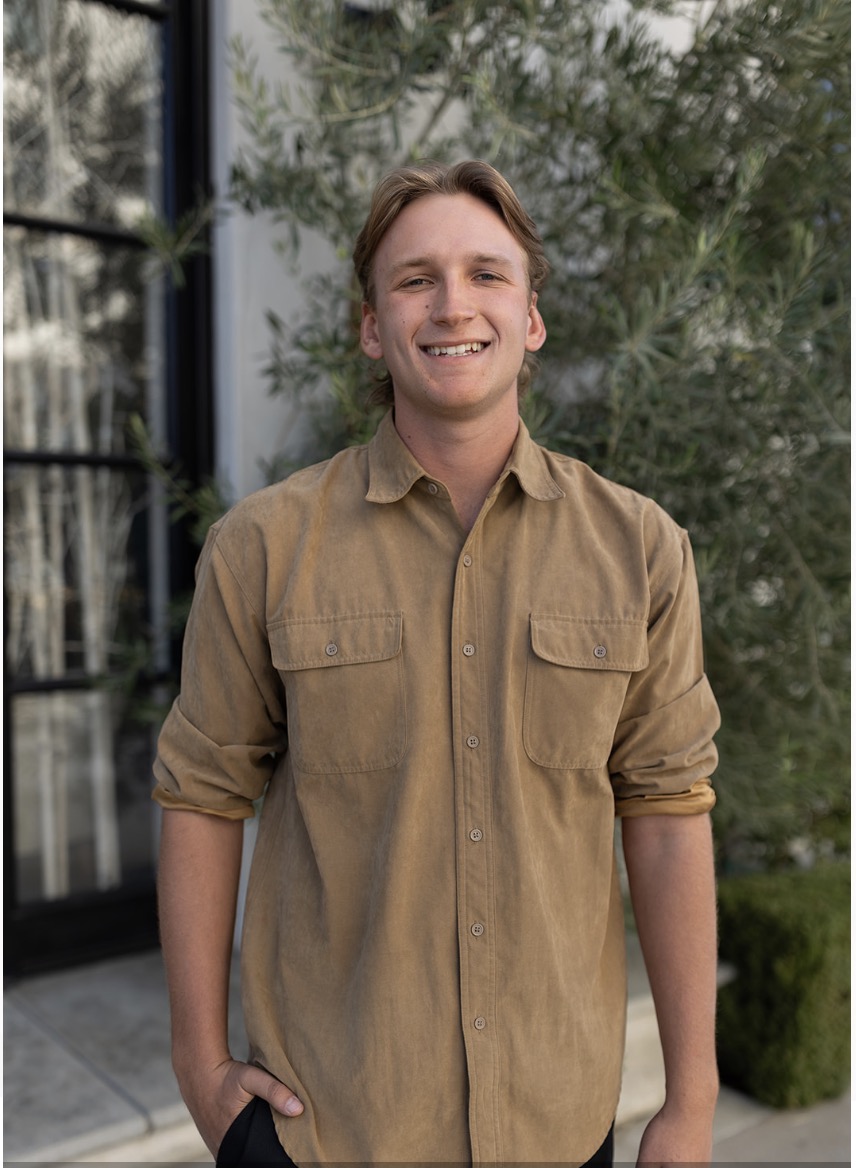
Buying or selling a home is one of life's biggest moves. Having the right real estate agent makes all the difference. As a local market expert serving Tehachapi, Bakersfield, and Antelope Valley, I sp....
When people talk about buying a home in northeast Bakersfield, they often focus on the price and the house itself.But there is a bigger decision hiding underneath:Do you want the established,
If you're looking for a home in Bakersfield, two communities that often come up are Riverlakes in Northwest Bakersfield and Seven Oaks in Southwest Bakersfield.Both offer established communities,
There is a particular kind of move that doesn't get talked about enough: coming home.You grew up in Bakersfield or somewhere else in Kern County, left for college, a job, a relationship, or simply
If you've been searching for homes in California, you've probably noticed something surprising: Bakersfield homes are often significantly more affordable than homes in Los Angeles, Orange County, or
 Information deemed reliable, but not guaranteed. Copyright Golden Empire MLS, Inc. 2026 Any use of search facilities of data on the site, other than by a consumer looking to purchase real estate, is prohibited.
 Tehachapi Area Association of REALTORS;reg& All information deemed reliable but not guaranteed. All properties are subject to prior sale, change or withdrawal. Neither listing broker(s) or information provider(s) shall be responsible for any typographical errors, misinformation, misprints and shall be held totally harmless. Listing(s) information is provided for consumer's personal, non-commercial use and may not be used for any purpose other than to identify prospective properties consumers may
be interested in purchasing. The data relating to real estate for sale on this website comes in part from the Internet Data Exchange program of the Multiple Listing Service. Real estate listings held by brokerage firms other than Berkshire Hathaway HomeServices Associated Real Estate may be marked with the Internet Data Exchange logo and detailed information about those properties will include the name of the listing broker(s) when required by the MLS. Copyright ©2026 All rights reserved.
Last Updated: September 21, 2026 9:43 PM UTC
Show More...
Tehachapi Area Association of REALTORS;reg& All information deemed reliable but not guaranteed. All properties are subject to prior sale, change or withdrawal. Neither listing broker(s) or information provider(s) shall be responsible for any typographical errors, misinformation, misprints and shall be held totally harmless. Listing(s) information is provided for consumer's personal, non-commercial use and may not be used for any purpose other than to identify prospective properties consumers may
be interested in purchasing. The data relating to real estate for sale on this website comes in part from the Internet Data Exchange program of the Multiple Listing Service. Real estate listings held by brokerage firms other than Berkshire Hathaway HomeServices Associated Real Estate may be marked with the Internet Data Exchange logo and detailed information about those properties will include the name of the listing broker(s) when required by the MLS. Copyright ©2026 All rights reserved.
Last Updated: September 21, 2026 9:43 PM UTC
Show More...
