When people talk about buying a home in northeast Bakersfield, they often focus on the price and the house itself.But there is a bigger decision hiding underneath:Do you want the established,

Dated: February 12 2026
Views: 33
Ridgecrest History: From Naval Base to Desert Community
Ridgecrest's unique history shapes its character today. This Kern County desert city evolved from military roots. Carter Yeomans explores how history influences modern real estate.
Early Desert Settlement
Before Ridgecrest existed, indigenous peoples inhabited this region. The Kawaiisu and Paiute tribes knew the Mojave Desert's resources. They understood how to thrive in harsh conditions.
Spanish explorers passed through but never settled permanently. The desert's isolation deterred most pioneers. Water scarcity made agriculture nearly impossible.
Gold and silver discoveries in nearby mountains brought prospectors. Small mining camps appeared and disappeared quickly. None developed into permanent communities initially.
The Birth of Ridgecrest
Ridgecrest incorporated in 1963, making it relatively young. However, settlement began decades earlier. The name comes from the ridge of the Sierra Nevada visible from town.
Early homesteaders arrived seeking inexpensive land. Desert property cost almost nothing. Those willing to endure harsh summers could claim space.
The town remained tiny until World War II. Military needs transformed everything. Ridgecrest's strategic location proved valuable.
Naval Air Weapons Station China Lake
China Lake Naval Base created modern Ridgecrest. Established in 1943, this weapons testing facility needed workers. Thousands of employees required housing and services.
The base's mission focused on weapons research and development. Its remote location provided safety for testing. The Mojave Desert's vast emptiness suited dangerous experiments.
Many current Ridgecrest residents connect to China Lake. Employees past and present shape the community. The base remains the region's economic anchor.
Post-War Growth and Development
After World War II, China Lake continued expanding. Cold War tensions increased defense spending. Ridgecrest grew alongside the base.
Housing developments sprang up rapidly. Contractors built modest homes for military families. The city's grid layout reflects this planned expansion.
Schools, shopping centers, and hospitals followed population growth. Infrastructure improved steadily through the 1950s and 60s. Ridgecrest transformed from outpost to proper town.
Water challenges always complicated development. The city drilled wells deep into desert aquifers. Water conservation became essential early.
Economic Evolution
China Lake dominates Ridgecrest's economy historically. Most families have at least one defense industry connection. This creates economic stability but limits diversity.
Attempts to diversify brought mixed results. Desert tourism provides some income. However, Ridgecrest never became a major destination.
Retail and service businesses primarily serve local residents. The city functions as a regional hub. Smaller desert communities rely on Ridgecrest's amenities.
Recent years brought solar energy development. The desert's abundant sunshine attracts renewable projects. This offers hope for economic diversification.
Earthquake History and Resilience
Ridgecrest sits in an earthquake-prone zone. The 2019 earthquake sequence reminded everyone of this reality. A 6.4 magnitude quake preceded a 7.1 magnitude event.
These earthquakes caused significant damage. Older buildings suffered the most. However, Ridgecrest rebuilt quickly.
The community's resilience impressed observers. Neighbors helped neighbors immediately. This spirit reflects Ridgecrest's close-knit character.
Building codes strengthened after 2019. New construction must meet higher standards. Carter Yeomans helps buyers understand seismic considerations.
Cultural Development
Ridgecrest's isolation fostered unique community bonds. Residents create their own entertainment. Self-reliance defines local culture.
The Maturango Museum preserves regional history. Exhibits cover geology, paleontology, and human settlement. Art galleries showcase local talent.
Community events bring residents together regularly. The Petroglyph Festival celebrates indigenous heritage. Fourth of July fireworks draw crowds annually.
Education and Schools
Sierra Sands Unified School District serves Ridgecrest. Schools generally perform well academically. Military connections bring educated families.
Cerro Coso Community College provides higher education locally. Students can complete associate degrees without leaving town. This benefits residents who prefer staying close.
Many children of military families attend Ridgecrest schools temporarily. This transience affects classroom dynamics. However, dedicated teachers adapt successfully.
Modern Ridgecrest Character
Today's Ridgecrest balances military heritage with civilian identity. Not everyone works for China Lake anymore. However, its influence remains paramount.
The city's remote location appeals to certain buyers. Those seeking space and affordability find opportunities. Desert living isn't for everyone.
Community ties run deeper than in typical suburbs. People know their neighbors. This small-town atmosphere persists despite growth.
Outdoor recreation attracts residents who love nature. Death Valley National Park lies nearby. Rock climbing and hiking opportunities abound.
Real Estate Implications
Ridgecrest's history shapes its housing market. Military connections affect property values. Base employment provides stability.
Older homes reflect various building eras. Post-war construction uses different materials than modern builds. Carter Yeomans helps buyers understand these differences.
Earthquake considerations influence purchasing decisions. Newer homes meet current seismic standards. Older properties may need retrofitting.
Property prices remain affordable compared to coastal California. The desert location keeps costs manageable. Many buyers appreciate this value.
Frequently Asked Questions
When was Ridgecrest founded?
Ridgecrest incorporated in 1963, though settlement began earlier. The military base's 1943 establishment sparked real growth.
Why is China Lake important to Ridgecrest?
China Lake Naval Base is Ridgecrest's economic foundation. It employs thousands and attracts educated workers. The city exists primarily because of the base.
How did Ridgecrest handle the 2019 earthquakes?
The community showed remarkable resilience. Residents helped each other rebuild quickly. Building standards improved after the event.
What indigenous peoples lived here originally?
The Kawaiisu and Paiute tribes inhabited this region. They adapted successfully to desert conditions. Their rock art remains visible nearby.
Is Ridgecrest still growing?
Growth continues but slowly. The population remains relatively stable. Economic diversification could spur future expansion.
Exploring Ridgecrest Real Estate
Understanding Ridgecrest's history helps you appreciate its character. The city's military roots created a unique community. Desert isolation fosters independence and self-reliance.
Carter Yeomans knows how history shapes neighborhoods. Older areas near downtown differ from newer developments. Each section reflects different building periods.
Ready to explore Ridgecrest's real estate opportunities?
Carter Yeomans
20406 Brian Way Suite 3A
(661) 825-6736
Contact Carter today for expert guidance on Ridgecrest properties. His Kern County expertise extends throughout the desert. Find your place in Ridgecrest's continuing history.
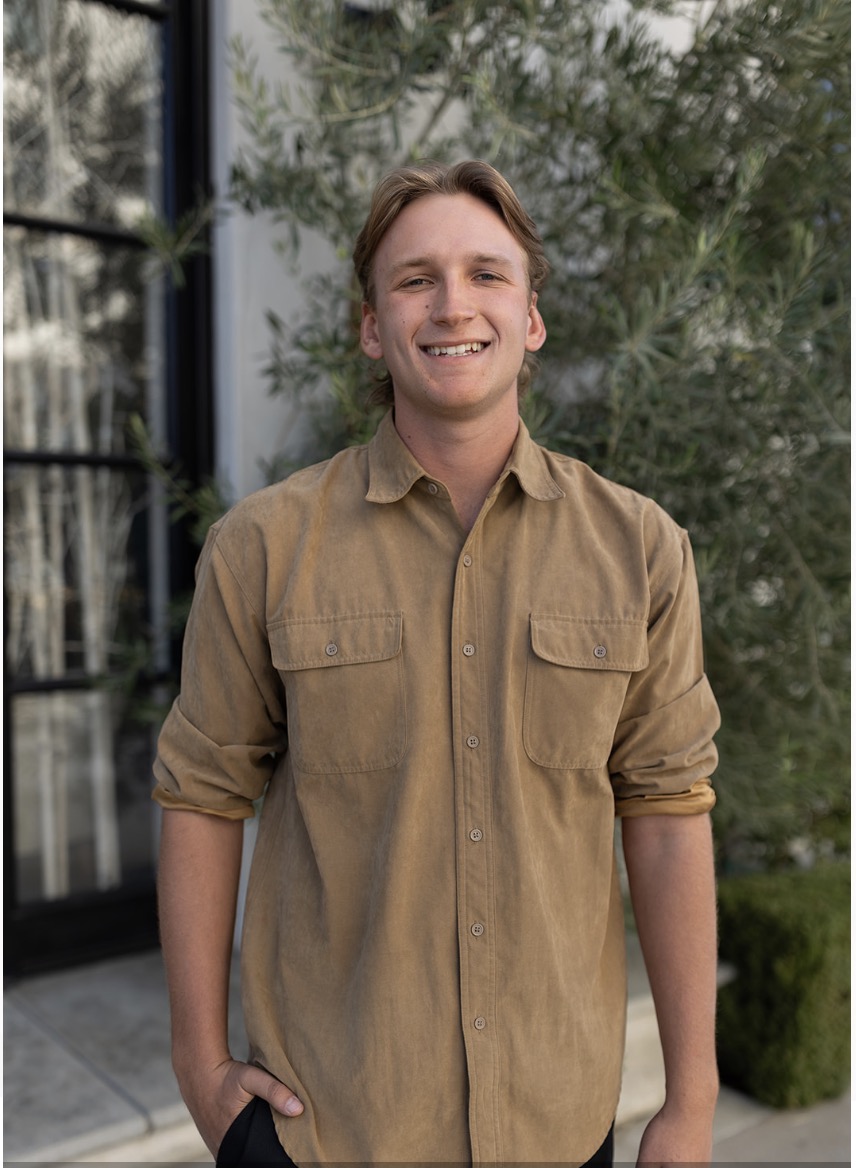
Buying or selling a home is one of life's biggest moves. Having the right real estate agent makes all the difference. As a local market expert serving Tehachapi, Bakersfield, and Antelope Valley, I sp....
When people talk about buying a home in northeast Bakersfield, they often focus on the price and the house itself.But there is a bigger decision hiding underneath:Do you want the established,
If you're looking for a home in Bakersfield, two communities that often come up are Riverlakes in Northwest Bakersfield and Seven Oaks in Southwest Bakersfield.Both offer established communities,
There is a particular kind of move that doesn't get talked about enough: coming home.You grew up in Bakersfield or somewhere else in Kern County, left for college, a job, a relationship, or simply
If you've been searching for homes in California, you've probably noticed something surprising: Bakersfield homes are often significantly more affordable than homes in Los Angeles, Orange County, or
 Information deemed reliable, but not guaranteed. Copyright Golden Empire MLS, Inc. 2026 Any use of search facilities of data on the site, other than by a consumer looking to purchase real estate, is prohibited.
 Tehachapi Area Association of REALTORS;reg& All information deemed reliable but not guaranteed. All properties are subject to prior sale, change or withdrawal. Neither listing broker(s) or information provider(s) shall be responsible for any typographical errors, misinformation, misprints and shall be held totally harmless. Listing(s) information is provided for consumer's personal, non-commercial use and may not be used for any purpose other than to identify prospective properties consumers may
be interested in purchasing. The data relating to real estate for sale on this website comes in part from the Internet Data Exchange program of the Multiple Listing Service. Real estate listings held by brokerage firms other than Berkshire Hathaway HomeServices Associated Real Estate may be marked with the Internet Data Exchange logo and detailed information about those properties will include the name of the listing broker(s) when required by the MLS. Copyright ©2026 All rights reserved.
Last Updated: September 21, 2026 9:43 PM UTC
Show More...
Tehachapi Area Association of REALTORS;reg& All information deemed reliable but not guaranteed. All properties are subject to prior sale, change or withdrawal. Neither listing broker(s) or information provider(s) shall be responsible for any typographical errors, misinformation, misprints and shall be held totally harmless. Listing(s) information is provided for consumer's personal, non-commercial use and may not be used for any purpose other than to identify prospective properties consumers may
be interested in purchasing. The data relating to real estate for sale on this website comes in part from the Internet Data Exchange program of the Multiple Listing Service. Real estate listings held by brokerage firms other than Berkshire Hathaway HomeServices Associated Real Estate may be marked with the Internet Data Exchange logo and detailed information about those properties will include the name of the listing broker(s) when required by the MLS. Copyright ©2026 All rights reserved.
Last Updated: September 21, 2026 9:43 PM UTC
Show More...
